
10kW Backup Power Planning for High-Demand Homes
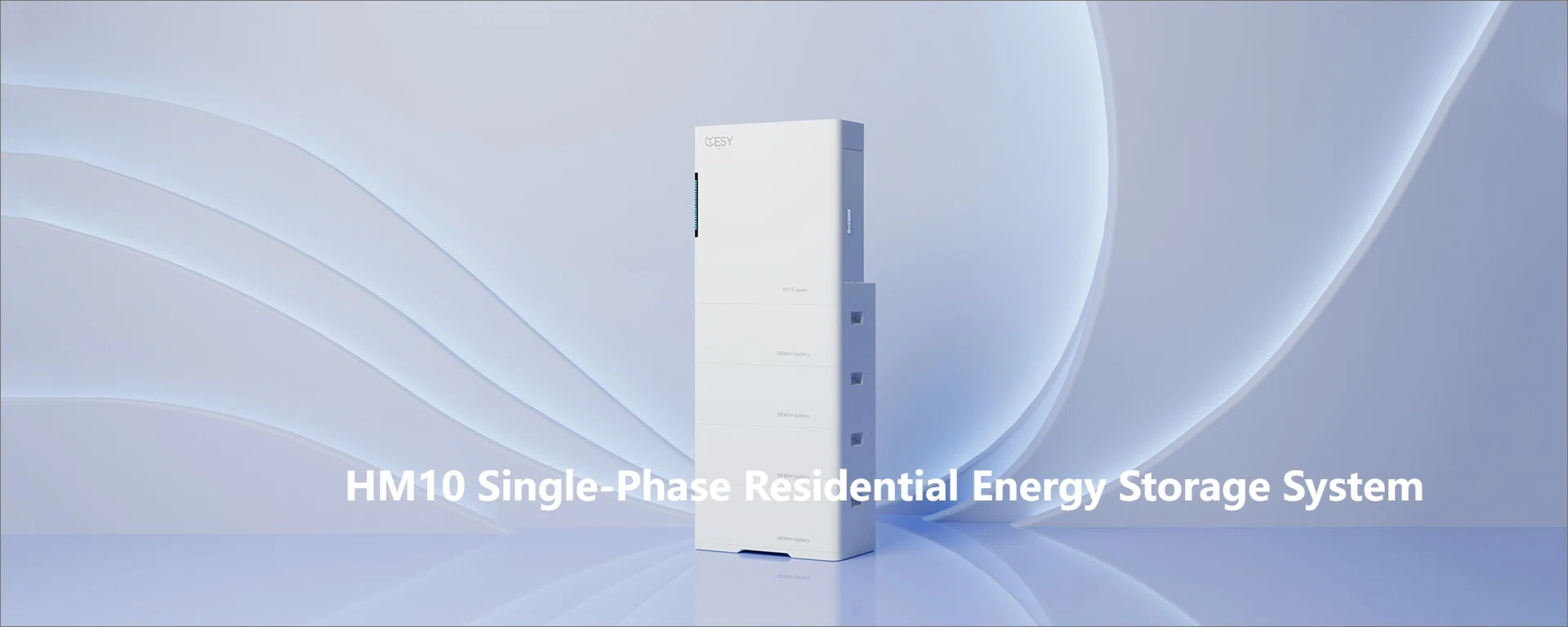
10kW backup power systems for high-demand homes are usually designed with a 10kW inverter, 40–80kWh battery storage, and optional 12–18kW solar input. A properly sized system can support HVAC, refrigeration, communication equipment, lighting, and selected high-power appliances during outages. For homes with increasing electrification, a 10kW single-phase ESS with 18kW PV input can provide higher solar charging capability, better battery recovery speed, and more flexible energy management.
A high-demand home requires more than simply selecting a large inverter. The system must match household consumption patterns, peak power requirements, and outage duration. A typical U.S. home consumed about 10,500–11,000kWh of electricity annually in recent years, equal to roughly 29–30kWh per day, but fully electrified homes with heat pumps, EV charging, and workshops can exceed 60–100kWh daily.
A 10kW backup system is mainly defined by its continuous output capability. The inverter determines how many appliances can operate at the same time, while the battery determines how long those appliances can continue running.
| Household Load | Typical Power Range |
|---|---|
| Air-source heat pump | 2–5kW |
| Electric water heater | 3–5kW |
| Refrigerator | 100–800W |
| Lighting system | 200–1000W |
| Home office equipment | 300–1500W |
| EV charger | 3–11kW |
A home running a 4kW heat pump, 4kW water heater, 1kW lighting and electronics, plus a refrigerator may already approach 10kW. During startup, motors and compressors can require 2–3 times their normal operating power, so inverter surge capability should usually reach 15–20kW for large residential applications.
Battery sizing determines backup time. A 10kW inverter connected to a small battery cannot provide long operation during outages. The calculation should consider average load instead of maximum inverter output because most homes do not operate every appliance continuously.
For example:
| Average Backup Load | Backup Time | Recommended Battery |
|---|---|---|
| 3kW | 12 hours | 40kWh |
| 5kW | 12 hours | 70kWh |
| 5kW | 24 hours | 140kWh |
The calculation assumes approximately 90% usable system efficiency. Lithium iron phosphate batteries commonly used in residential ESS products can achieve around 6,000–10,000 cycles at 80% depth of discharge, with many systems designed for more than 10 years of daily operation.
A 10kW inverter supports high appliance demand, but battery capacity decides whether backup power lasts for several hours or an entire day.
Solar input capacity also affects system recovery after outages. A larger PV array allows batteries to recharge faster during daylight hours. A system with an 18kW solar array can theoretically produce around 70–100kWh per day under 4–6 peak sun hours, depending on location, weather, and installation angle.
For homeowners planning future electrification, a system such as a 10kW single-phase ESS with 18kW PV input provides higher solar charging flexibility compared with systems limited to smaller PV inputs. This configuration can support larger rooftop solar installations while maintaining a 10kW household power output level.
Solar and storage sizing should consider several factors:
| Design Factor | Recommended Consideration |
|---|---|
| Battery capacity | 40–80kWh for extended residential backup |
| Solar input | 12–18kW for faster charging |
| Inverter output | 10kW continuous |
| Surge capability | 15–20kW |
| System efficiency | 85–95% |
Load management is often used in high-demand homes because not every appliance needs full-time backup. Smart energy controllers can separate household circuits into different priority groups.
| Priority | Typical Loads |
|---|---|
| High priority | Refrigeration, medical devices, communication |
| Medium priority | Heating, cooling, lighting, water systems |
| Lower priority | EV charging, pool equipment, workshops |
This approach can reduce battery consumption by approximately 20–40% during long outages while maintaining normal household operation. A family may continue using essential appliances while delaying energy-intensive equipment until solar production increases.
Electrical compatibility must also be checked before installation. A 10kW system operating at 240V requires approximately 42A of continuous current:
10,000W ÷ 240V = 41.7A
Most modern residential systems use split-phase electrical service, which allows compatibility with common household panels. Homes with 200A service generally have more installation flexibility, while older electrical systems may require additional upgrades.
Temperature conditions affect battery performance. Lithium batteries typically operate most efficiently between 15°C and 30°C. At temperatures below freezing, charging speed can decrease unless battery heating systems are included. At temperatures above 40°C, long-term battery aging can accelerate, reducing available capacity over time.
A properly planned 10kW backup system usually includes:
| Component | Typical Specification |
|---|---|
| Hybrid inverter | 10kW |
| Battery storage | 40–80kWh |
| Solar PV input | 12–18kW |
| Surge output | 15–20kW |
| Transfer switching | Automatic |
| Battery chemistry | LiFePO₄ |
The increasing adoption of electric vehicles and heat pumps has changed residential power requirements. In 2025, many new homes were designed with higher electrical capacity because transportation and heating loads moved from fuel-based systems to electricity. A backup system installed today should consider expected electricity growth over the next 5–10 years rather than only current consumption.
A 10kW backup power design works best when inverter size, battery storage, solar generation, and household loads are matched together. For high-demand homes, combining a 10kW inverter with sufficient battery capacity and larger PV input can maintain stable household operation during outages while improving daily energy independence.
Spec it on your stack. Talk to an engineer.
Bring your BOM, latency budget, or platform constraints. We will scope a sensor fusion path against your timeline.